
Founded in 1972
One of
San Francisco’s first Montessori Schools
Joyful learning, devoted teachers,
boundless knowledge
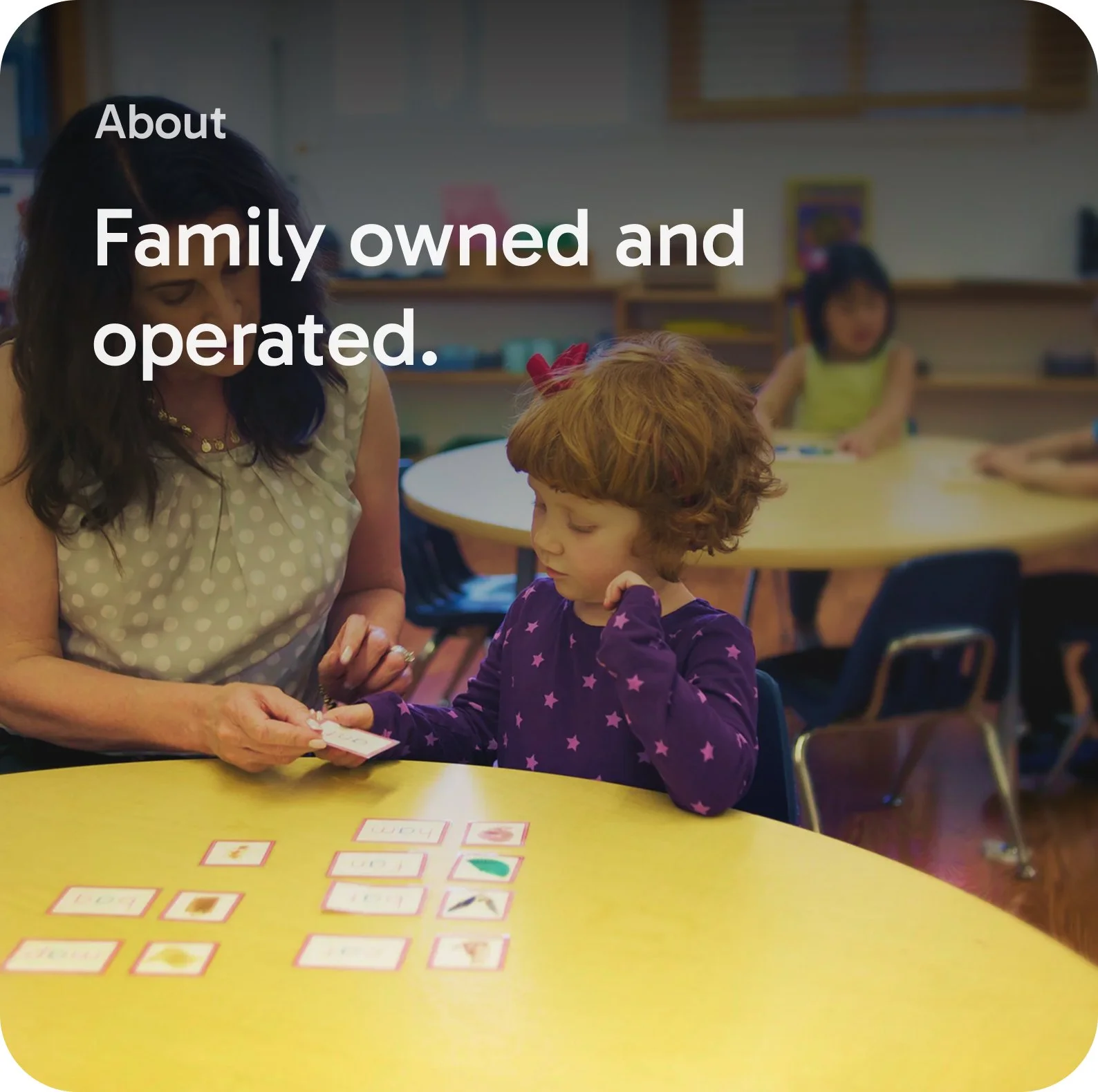
Big City Montessori School was founded in 1972 as Westlake Montessori School. After relocating in 1980, the school took on the Big City Montessori name. More than five decades later, it remains family-owned and committed to the authentic Montessori approach that has guided the school from the beginning.
Our mission
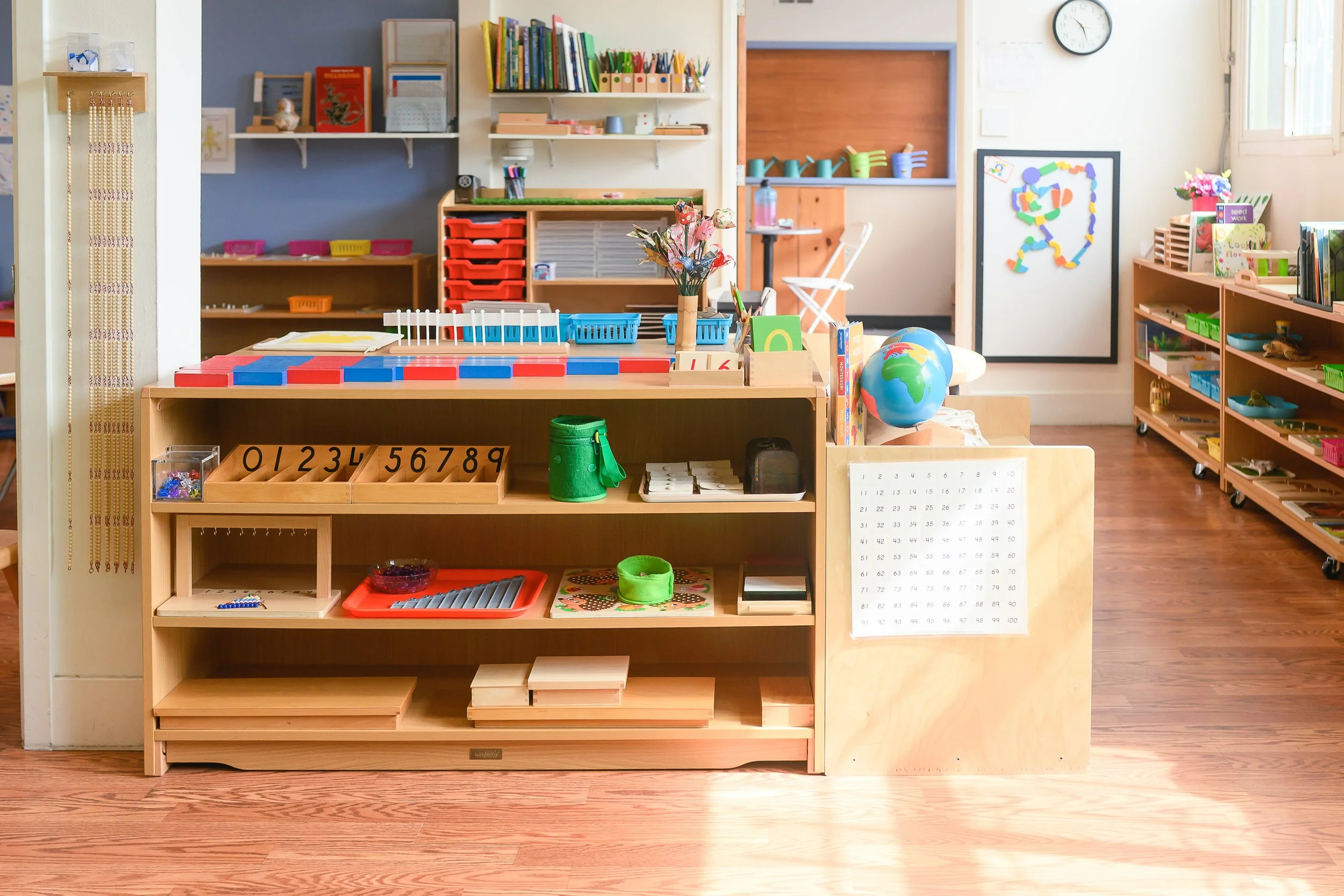
At Big City Montessori School, we nurture the whole child through a thoughtful Montessori approach that inspires independence, curiosity, confidence, and compassion. Together with families, we create a caring, hands-on learning environment where children grow, discover, and develop a lifelong love of learning.

The Montessori Approach
The Montessori philosophy recognizes that every child is unique, with their own interests, abilities, and natural pace of development. Our classrooms are designed to nurture the whole child while fostering independence, confidence, self-discipline, and a lifelong love of learning.
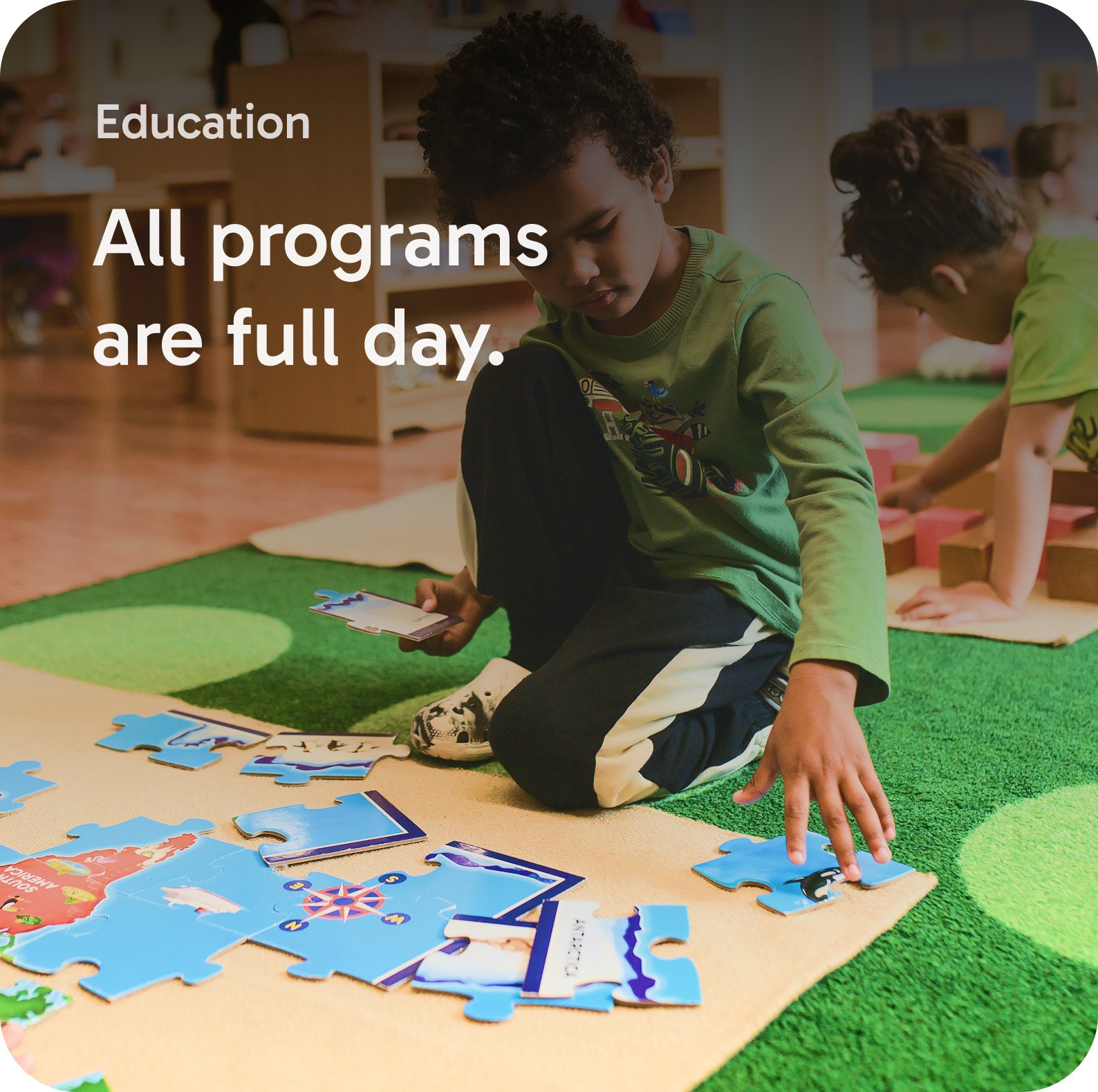
Through hands-on experiences and meaningful exploration, children learn by doing. They are encouraged to follow their curiosity, make choices, solve problems, and discover concepts through purposeful, engaging experiences.
Through this approach, children develop more than academic skills. They learn to think independently, make thoughtful choices, care for themselves and their environment, and approach new challenges with confidence.
-
Children are encouraged to follow their interests and curiosity without the pressure of grades, competition, or comparison. Each child has the time and freedom to develop skills at a pace that is right for them.
-
Montessori materials, lessons, and activities are carefully designed to build upon what children already know while introducing new challenges and skills.
-
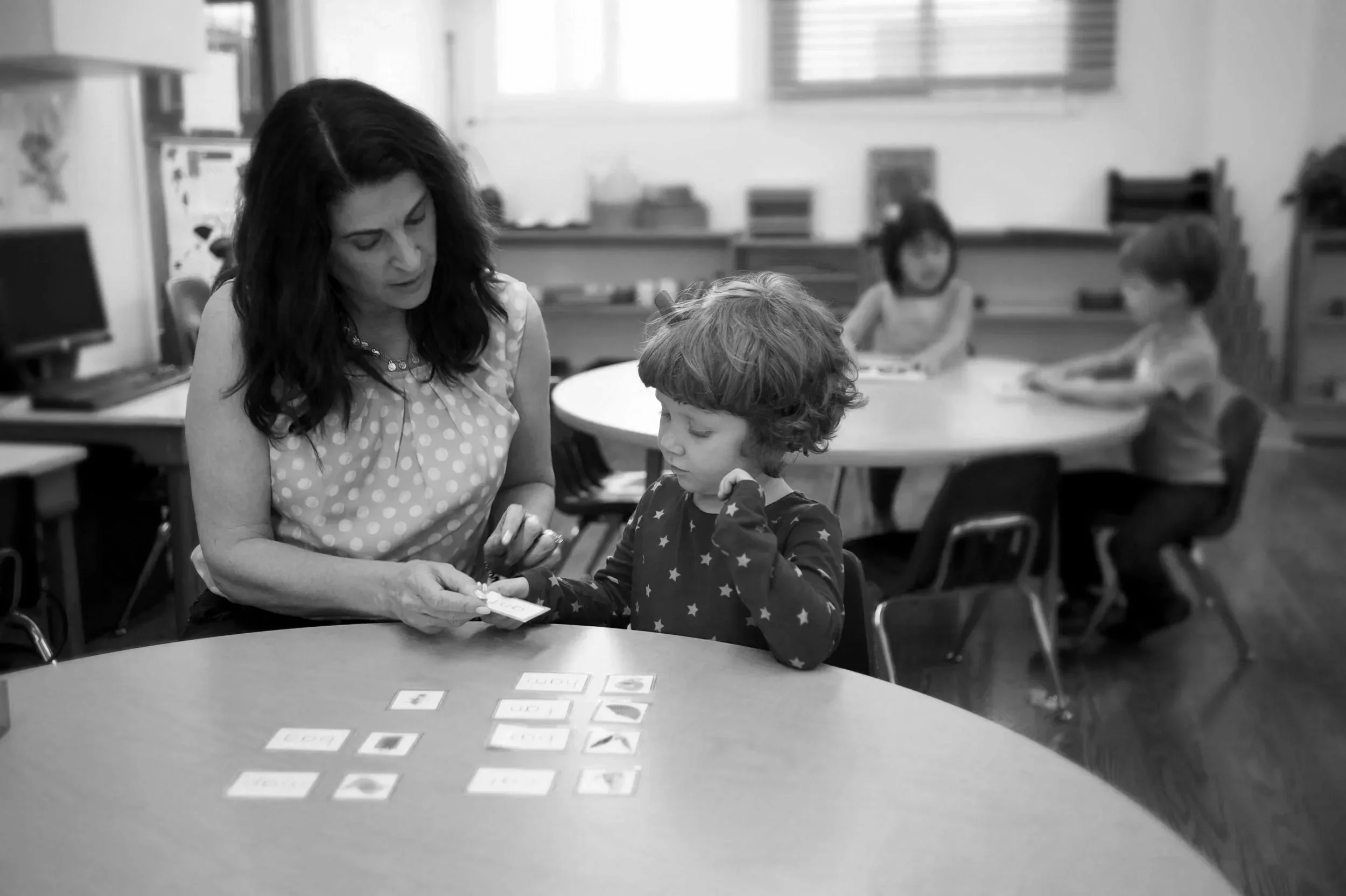
Teachers observe each child and provide lessons and support based on their individual development. Children are given the time they need to practice, understand, and master new concepts.
-
Multi-age classrooms create a family-like environment where children learn from one another. Older children have opportunities to practice leadership and responsibility, while younger children benefit from observing and learning from their peers.
Learn more