Empowering children through freedom and structure
The Montessori approach
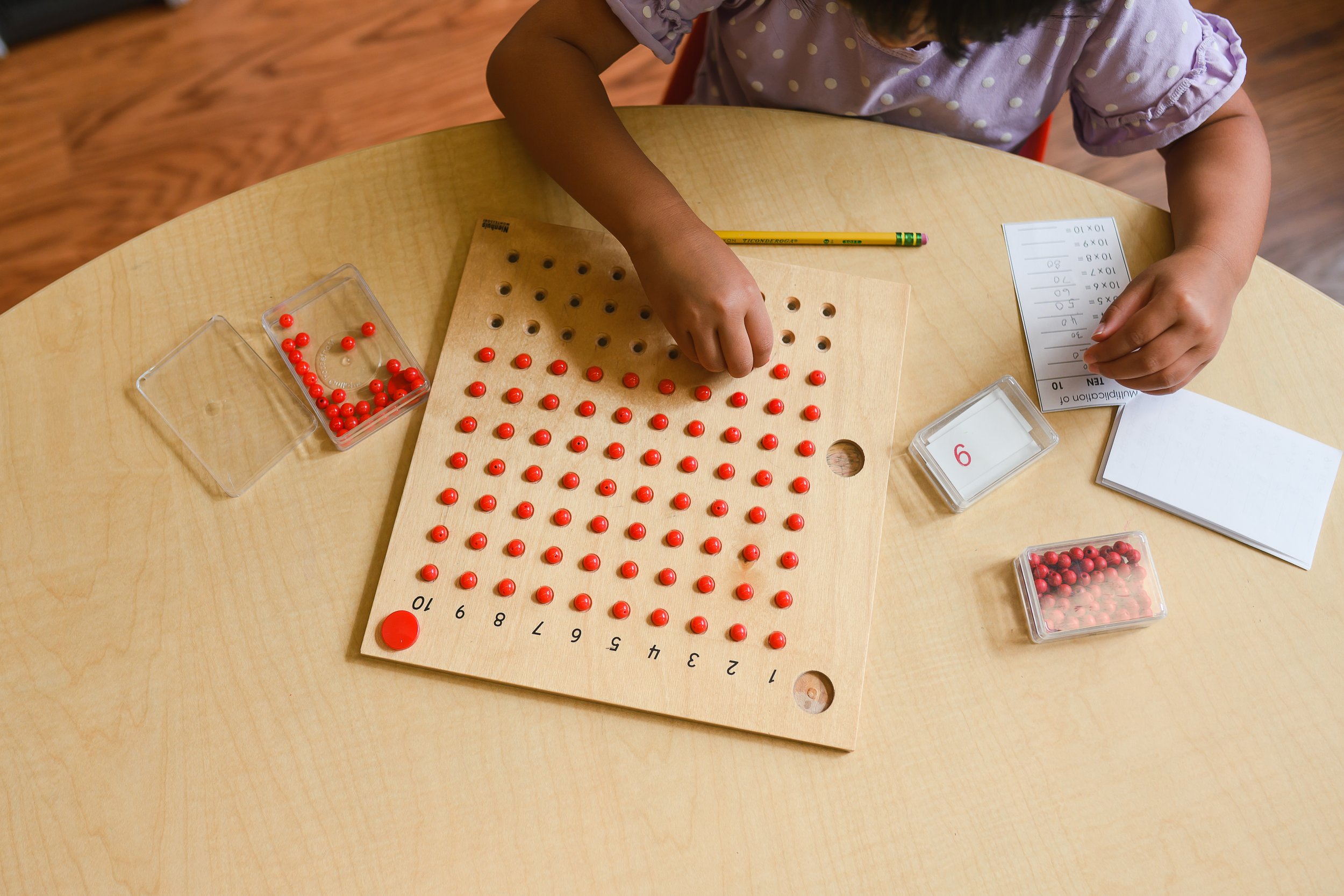
Dr. Montessori believed that children thrive when they are given the freedom to explore within a thoughtfully structured environment. This balance helps nurture independence, self-discipline, and a natural love of learning. At Big City, we carry that philosophy forward by creating meaningful lessons that encourage curiosity, concentration, and confident growth.

Learning designed for independence
Harness Creativity
At BCMS, confidence grows through independence, self-awareness, and the willingness to try. We encourage every child to recognize their strengths, speak up for themselves, and view mistakes as an important part of learning.
Develop Independence
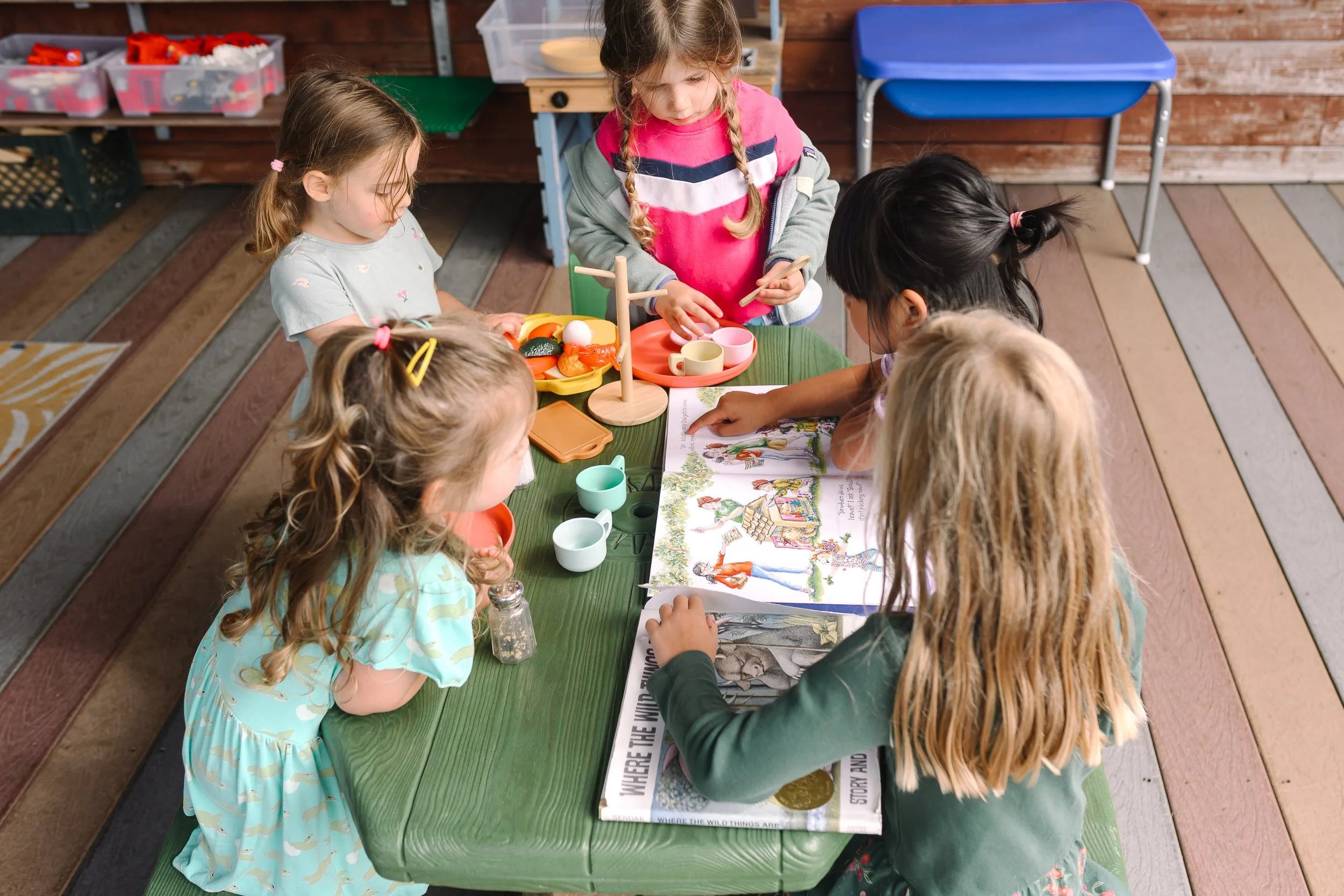
Collaboration grows through thoughtful conversation, shared ideas, and learning from different perspectives. At BCMS, we encourage open communication and active listening, creating a supportive environment where curiosity, understanding, and meaningful connections can grow.
Foster Collaboration
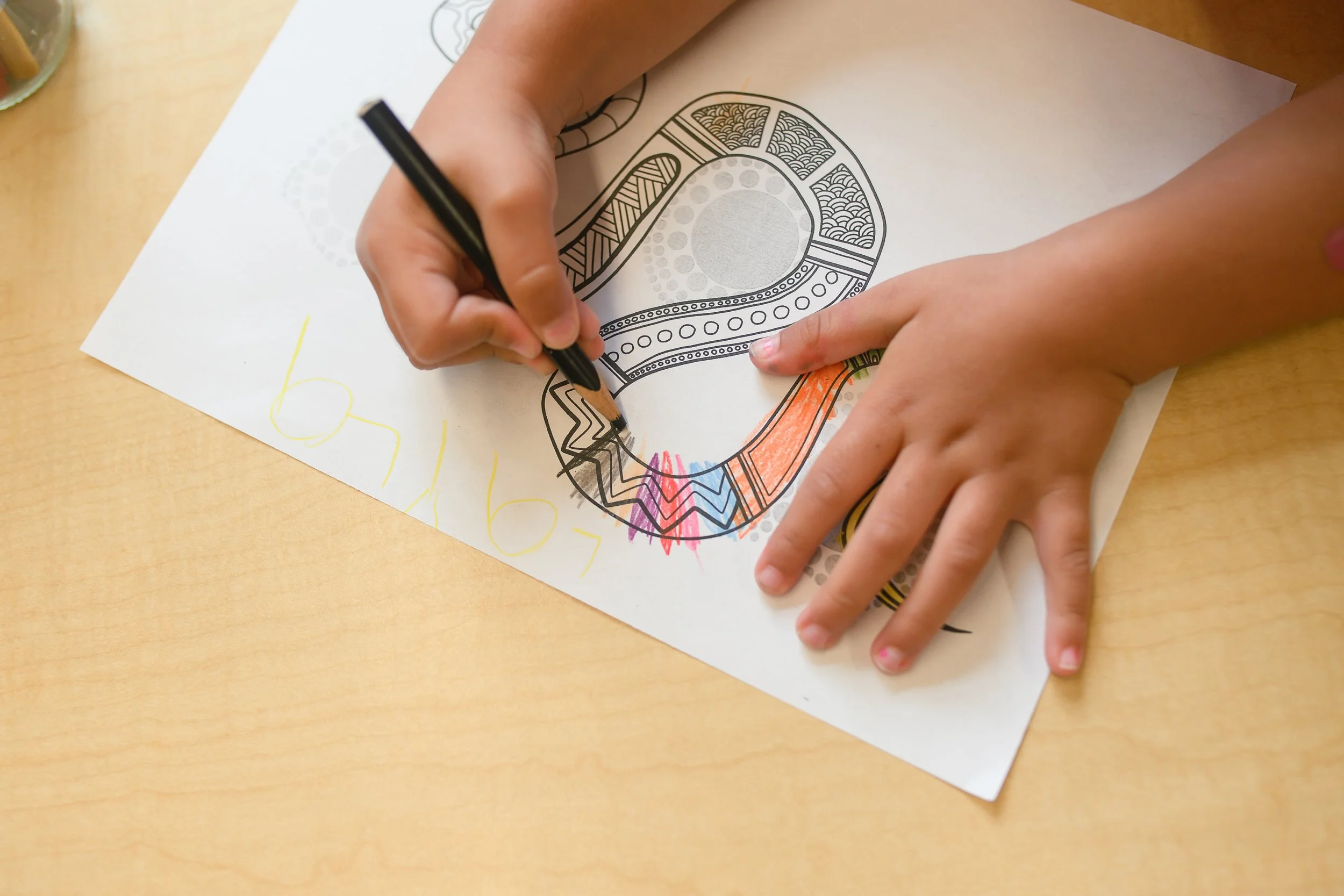
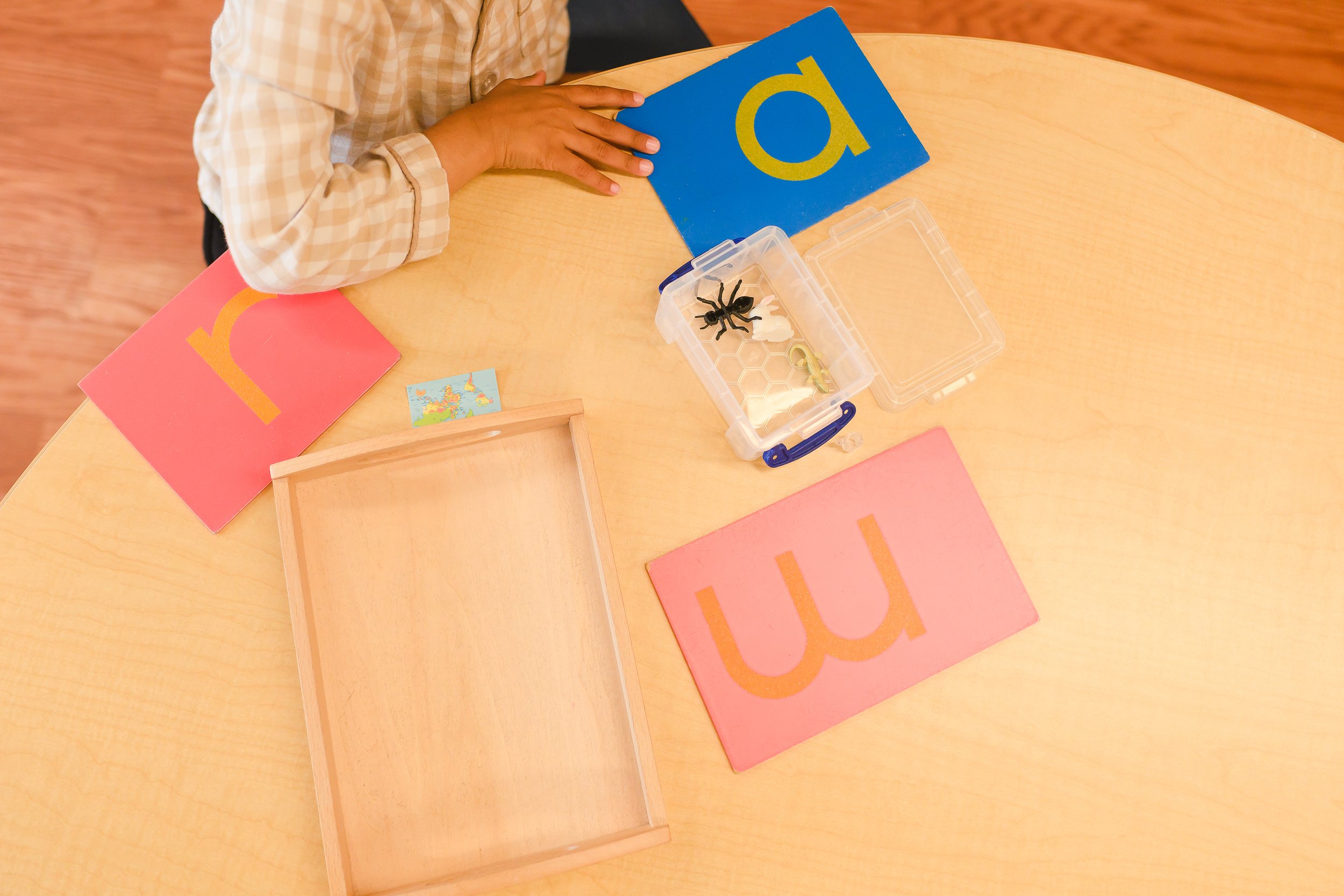
Children grow through discovery, exploring new ideas, making connections, and finding joy in understanding something for themselves. Montessori encourages creativity by giving children the freedom to follow their curiosity, experiment with materials, and approach challenges in their own way.
“The first essential for the child’s development is concentration. It lays the whole basis for his character and social behavior. He must find out how to concentrate, and for this he needs things to concentrate upon. This shows the importance of his surroundings, for no one acting on the outside can cause him to concentrate. Only he can organize his psychic life. None of us can do it for him. Indeed, it is just here that the importance of our schools really lies. They are places in which the child can find the kind of work that permits him to do this.”
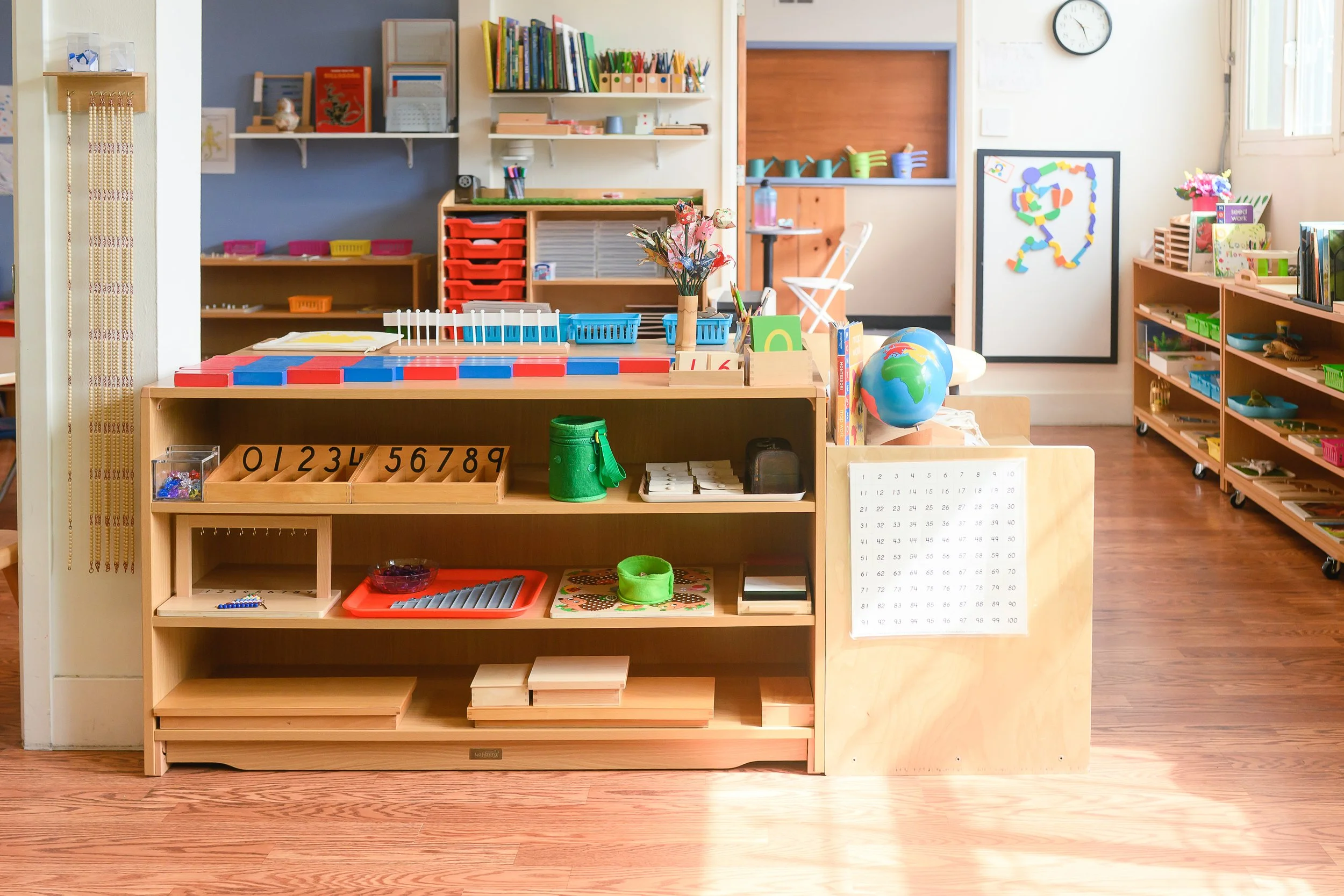
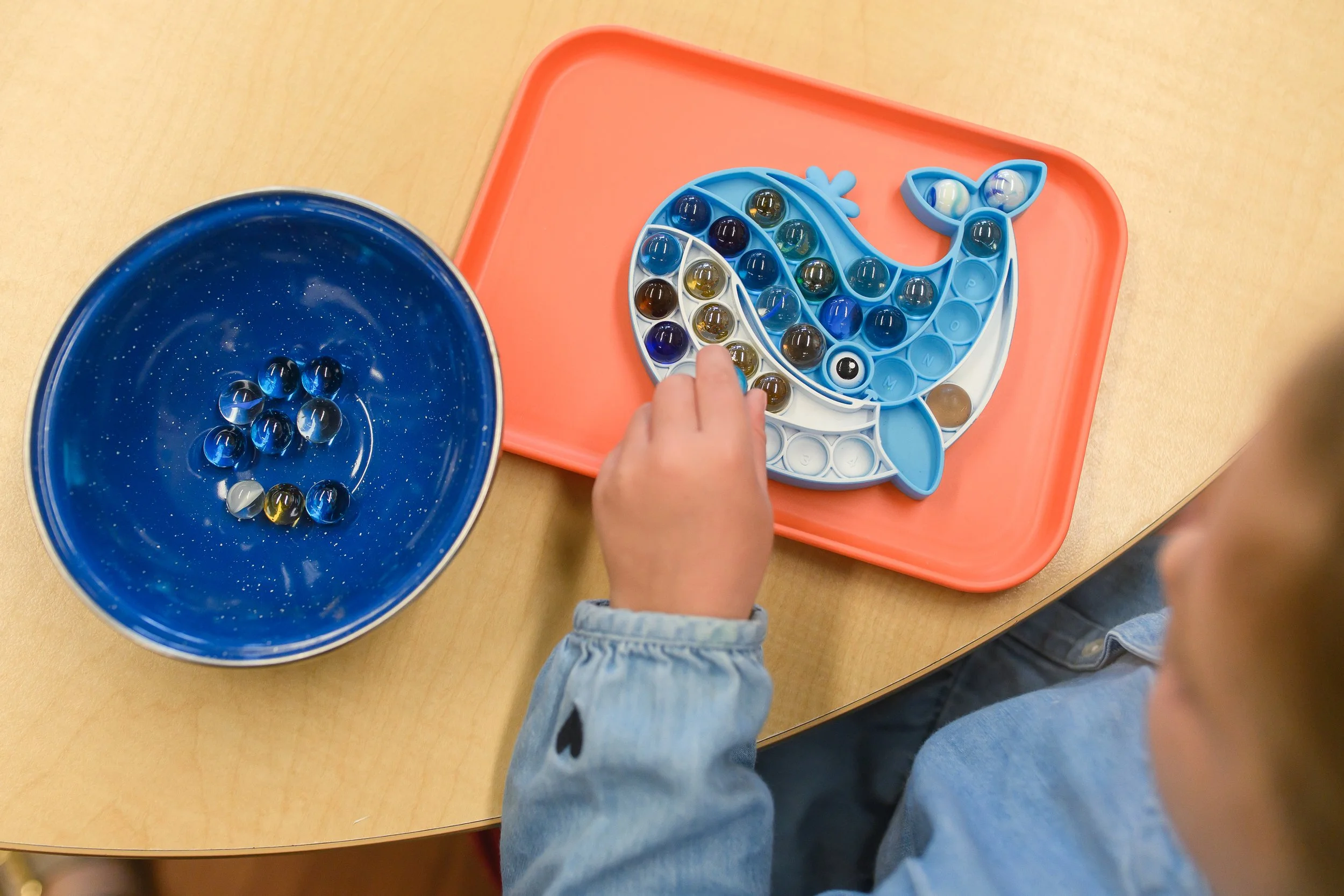
At BCMS, independence grows through practice, self-discovery, and the confidence to try. We encourage every child to recognize their strengths, speak up for themselves, and see mistakes as an important part of learning.
As Maria Montessori said, “Never do for a child what he can do for himself.”
Learn more